

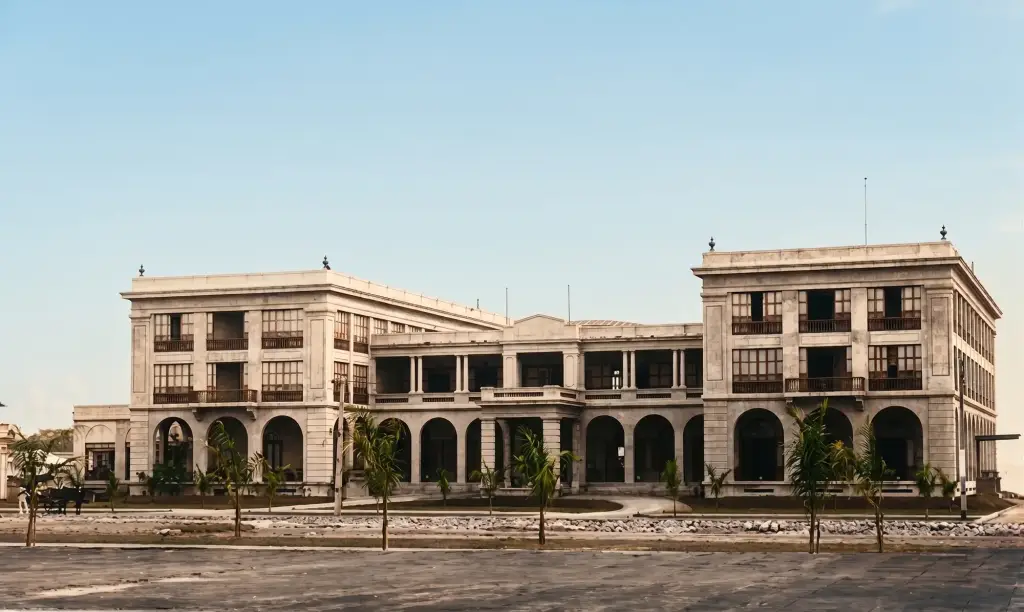
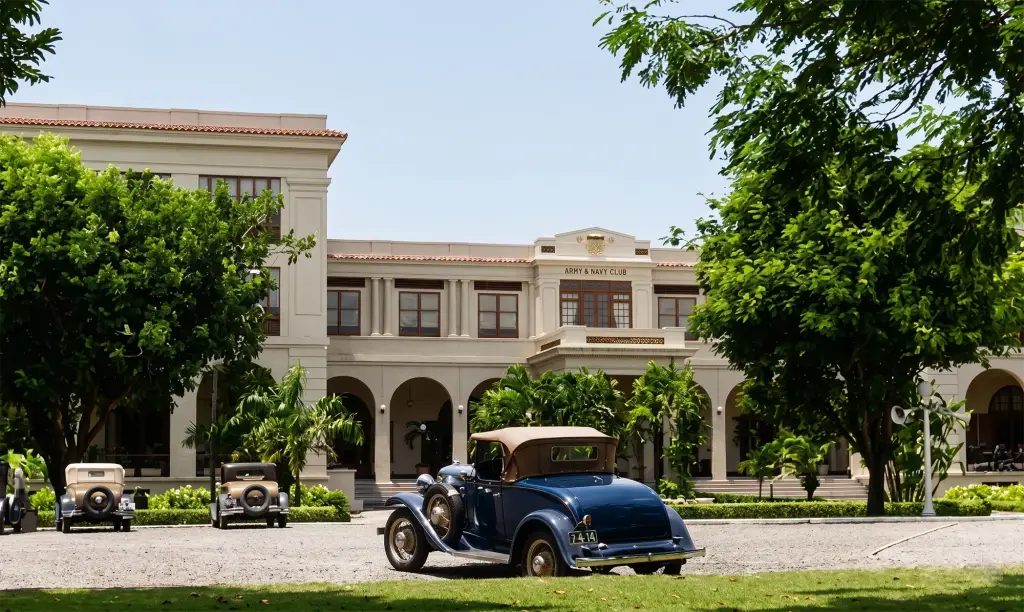
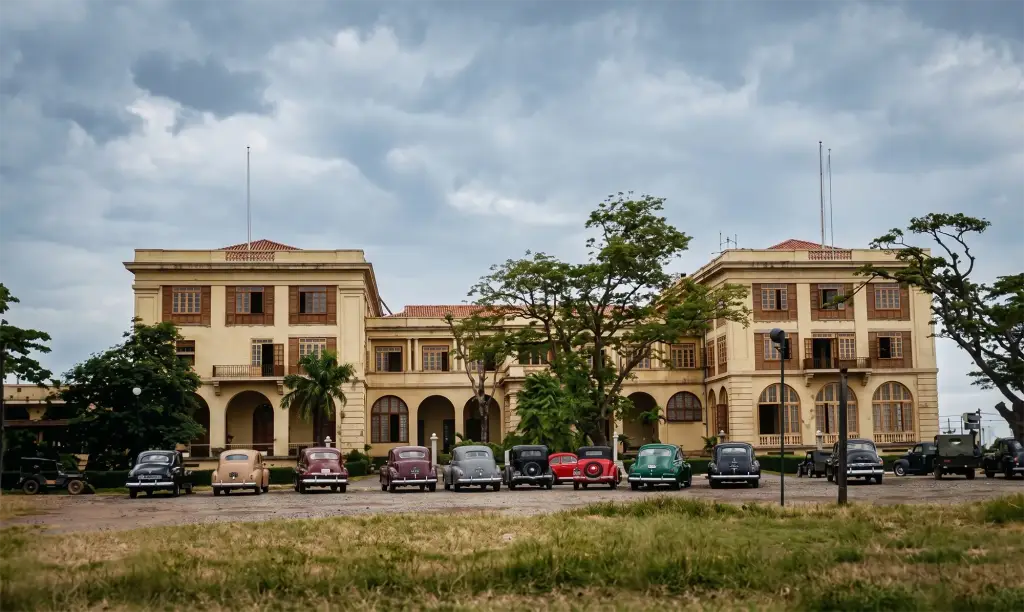
The vibrant social life of the Army and Navy Club paused during the 1940s as the uncertainties of the Second World War unfolded across the Pacific. With the evacuation of military personnel and many foreign residents from Manila in early 1941, the once-bustling halls of the club grew quiet during one of the most challenging periods in the city’s history.
Despite the devastation that swept through Manila during the war, the historic building remarkably survived the bombing of the city — preserving an important piece of Manila’s architectural and cultural heritage for future generations. Today, its enduring presence stands as a symbol of resilience, history, and timeless elegance.
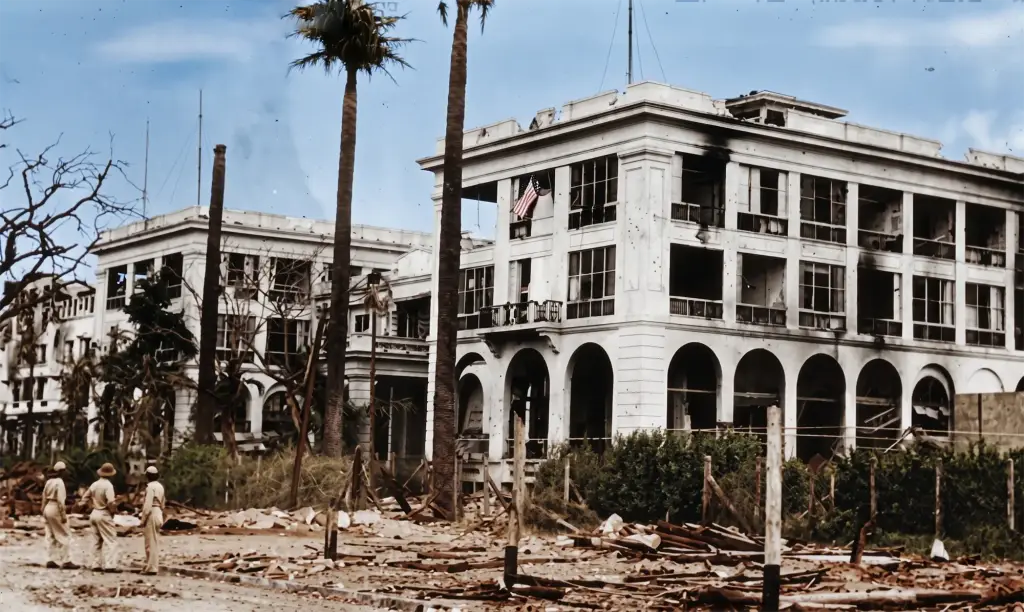
Following the liberation of Manila, the building was carefully restored by the Engineering Corps, marking the beginning of a new chapter in its storied history. On December 1, 1945, the club reopened in time to broadcast the celebrated Army–Navy game, symbolizing resilience and renewal after the war. The following day, December 2, 1945, the club formally welcomed guests once again, with Philippine President Sergio Osmeña and First Lady Esperanza Osmeña attending as honored guests. Today, this legacy of endurance and hospitality continues to define the property’s timeless character.
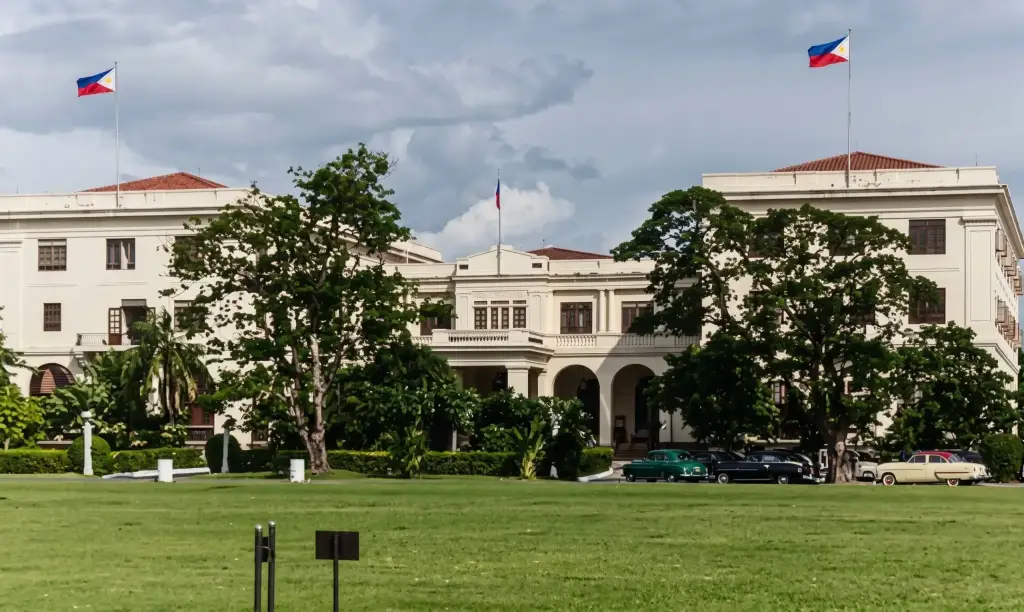
In the 1970’s, the membership of the club gradually decreased, with military personnel choosing to go to the Manila Polo Club and with members migrating towards Makati and new business centers.
The city government of Manila officially took over the decaying structure in the 1980’s. It served as the city architect’s office until the building showed signs of crumbling. It had also briefly served as the location for Museo de Manila, housing the exhibits of Philippine picture postcards taken during the American colonial period.
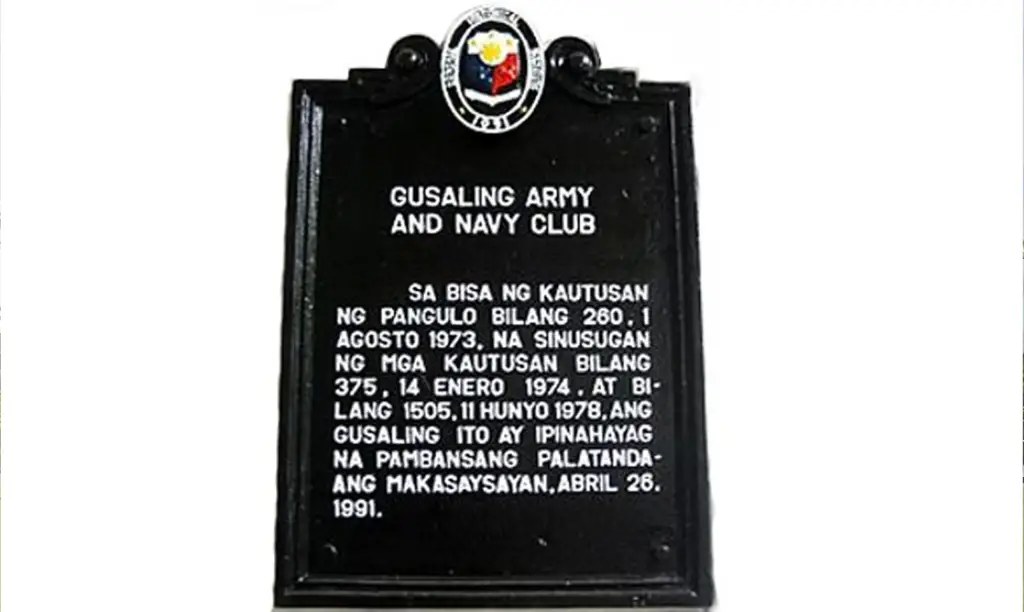
Despite its decline, on 26 April 1991, it was declared as a National Historical Landmark by the National Historical Commission of the Philippines (NHCP).
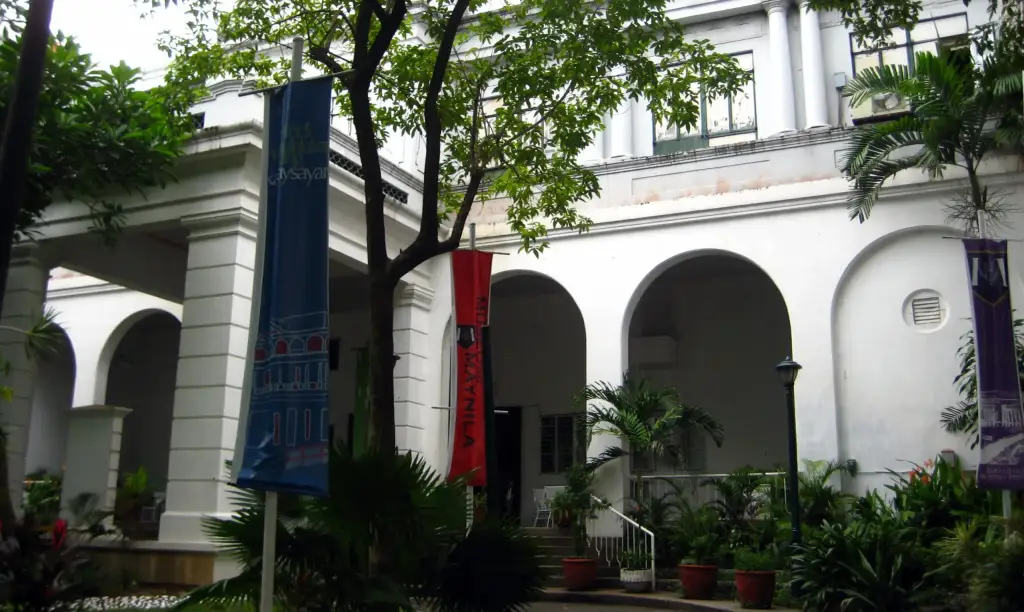
The once fabulous building, or what has remained of it, had been declared by city engineers as condemned after years of neglect. Its columns, floors, and walls had been extremely damaged, and floods of water seeped inside. The restoration of Army and Navy Club had been in the drawing board in the mid-2000s. However, the restoration of the club only officially commenced in 2014 when the city government signed a joint venture deal with the Oceanville Hotel and Spa Corporation.
Over the course of the restoration, Oceanville had strictly retained the old Club’s architectural design, lay-out, room dimensions, and even its motif down to the smallest details. It also retained the building’s trademark arches as originally designed by Parsons. The building’s facade, the octagonal lobby, the grand staircase, the black and white flooring, the room sizes, the balcony and courtyard, and even decorative statues were all carefully restored. Distinctive features, finishes, and construction techniques or craftsmanship that characterize the property were also preserved.
Moreover, deteriorated historic features were repaired rather than replaced. Where the severity of deterioration requires replacement of a distinctive feature, the management made sure that the new features matched the old in design, color, texture and other visual qualities and, where possible, materials. Chemical or physical treatments, such as sandblasting, that can cause damage to historic materials were not used. The surface cleaning of structures, if appropriate, was undertaken using the gentlest means possible.
For Oceanville Chairman Simon Paz, the goal was also to strengthen the building and make it conform to Philippine and international safety and engineering standards. This marked the restoration as not only remarkable for its accuracy but also because of its quality.
“So far, Oceanville is the only Filipino company that has undertaken a restoration project of such cost and scale,” Paz said, adding that Oceanville “is out to bring about the renaissance of Filipino Architecture.”
Reviving the old Army and Navy Club is just the first step, he pointed out. “Oceanville would be open to helping government rehabilitate more historic buildings around the country.”
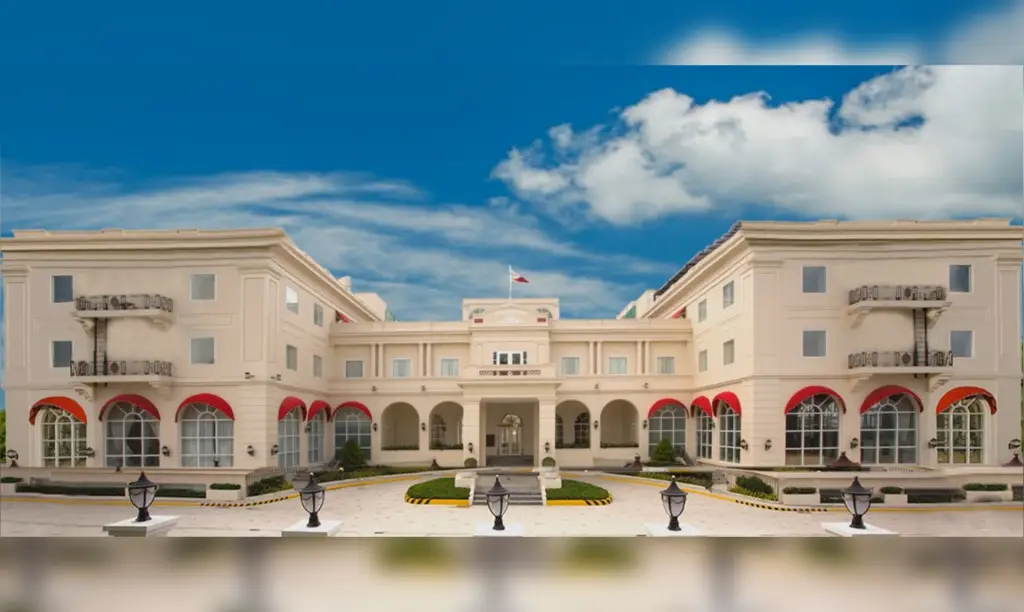
July 26, 2017 marks the historic return of the old Army and Navy Club as the new Rizal Park Hotel, which can now be considered as a vital piece of the Philippines’ national pride and history. The hotel maintained the building’s original character but added more modern facilities and amenities available to the public.
The hotel features 110 beautifully designed rooms with unique colonial-era design that takes its guests to a trip down memory lane in pure comfort, luxury and bliss. It also has fully-equipped entertainment facilities such as a spa, a coffee shop, a sky bar, a courtyard, function halls, a gym, a casino, marina, and a restaurant – Café Rizal – offering delectable creations with Chinese fine dining.
Guests are in for a nonpareil gastronomic experience at the hotel’s state-of-the art open-theatre show kitchen that offers a new twist of international cuisine with the fusion of classic and modern flair that creates a sumptuous buffet spread, partnered with a special ala carte menu.
The Rizal Park Hotel stays true to its motto of offering its guests an experience of “History In Style”. By mixing the old with the new, the Rizal Park Hotel is a symbol for a new generation of Filipinos who value their rich cultural heritage but also promote economic progress and development for the country.